



%20(1).webp)
Data Strategy Starts with These Three Questions

Where does my data reside?
Most organizations work across cloud platforms, warehouses, legacy systems, and more. Understanding how information moves between them is vital for governance, analytics, and AI.

What form is my data in?
From structured records to unstructured documents, emails, and more, data comes in many forms. Understanding those differences helps teams manage information more effectively.

How do I govern and use my data?
Effective governance requires both trusted ownership and visibility. Information should have clear owners, while remaining traceable, explainable, and verifiable.

Data Solutions Lifecycle
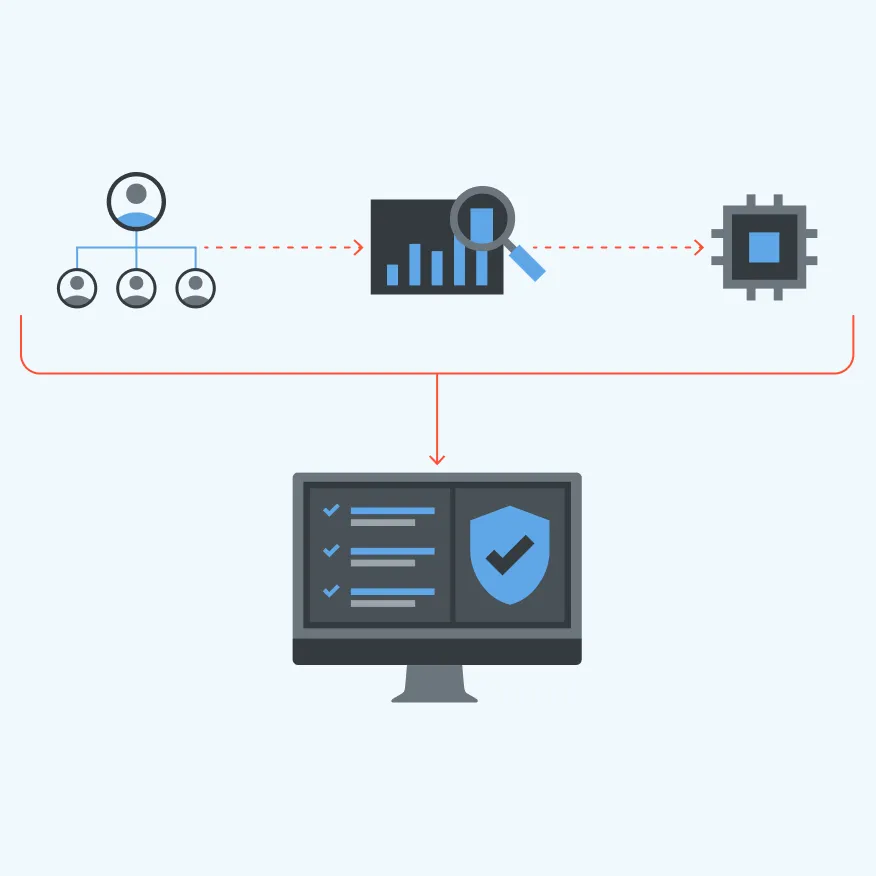
Data Strategy & Governance
Define how data is managed, protected, and used across the business. Assessments map your current state. Governance frameworks set the operating model. A phased roadmap aligns technology decisions with budget cycles and the outcomes leaders own.
Assessments & Roadmapping
Technology, governance, and cloud readiness assessments that turn into a phased plan with cost, timeline, and risk modeling.
Data Governance Frameworks
Stewardship models, policy frameworks, and certification workflows your team can actually operate, not just document.
Data Engineering
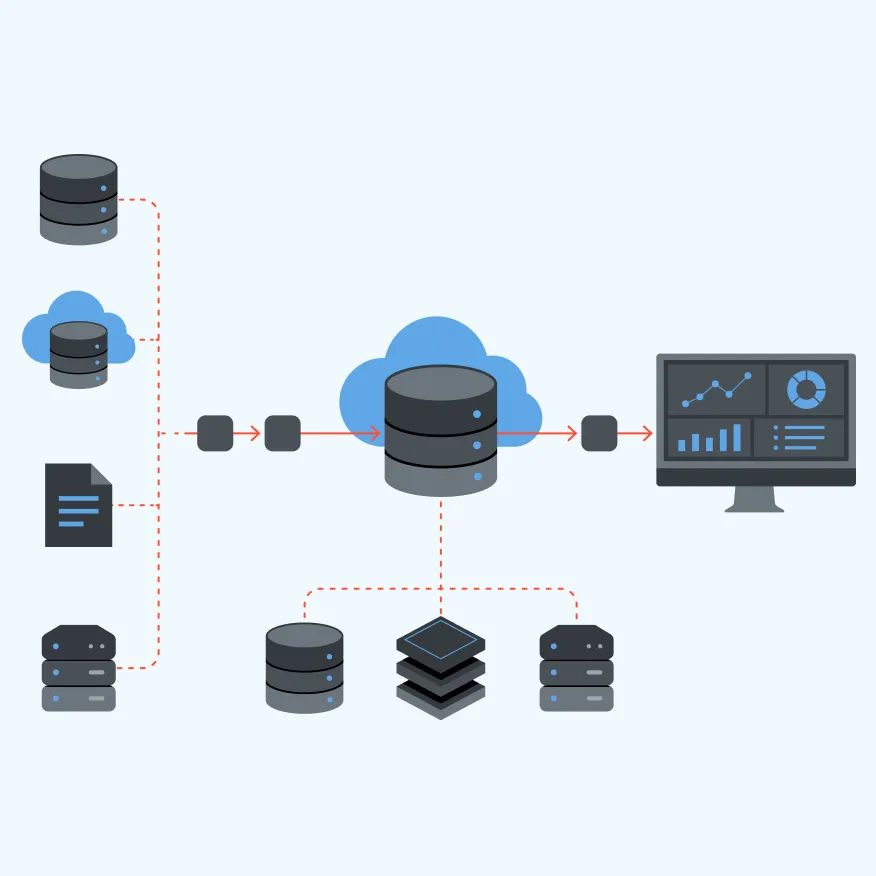
Build the infrastructure that supports reporting, analytics, and AI. We design and stand-up data platforms, warehouses, and pipelines on Snowflake, Databricks, and the modern stack, using Data Vault 2.0 patterns when scale and auditability matter.
Cloud Data Platform Implementations
Modern data warehouses on Snowflake, Databricks, and Microsoft Fabric, with Data Vault 2.0 to support volume and scale.
Pipeline Development
ETL and ELT pipelines using Talend, dbt, and modern tooling, connecting source systems to analytics and AI environments.
Data Migration
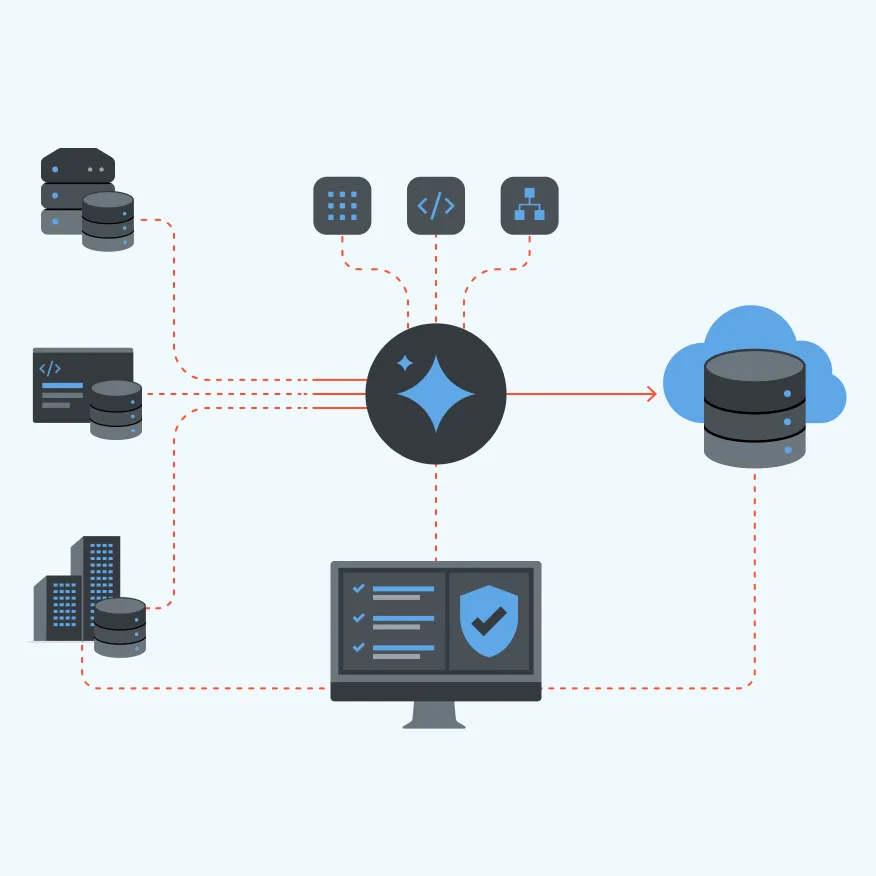
Move data, code, and architecture across platforms without losing trust. Warehouse modernization, ETL and governance tool migrations, post-acquisition data integration, and traditional legacy-to-cloud projects. Audit artifacts at every step.
Platform & Warehouse Migrations
Legacy-to-cloud, cloud-to-cloud, warehouse modernization, and integration tool migrations backed by audit artifacts.
Consolidation & Post-Acquisition Integration
Rationalize multiple warehouses, BI tools, or governance platforms, including data consolidation following M&A activity.
Managed Services
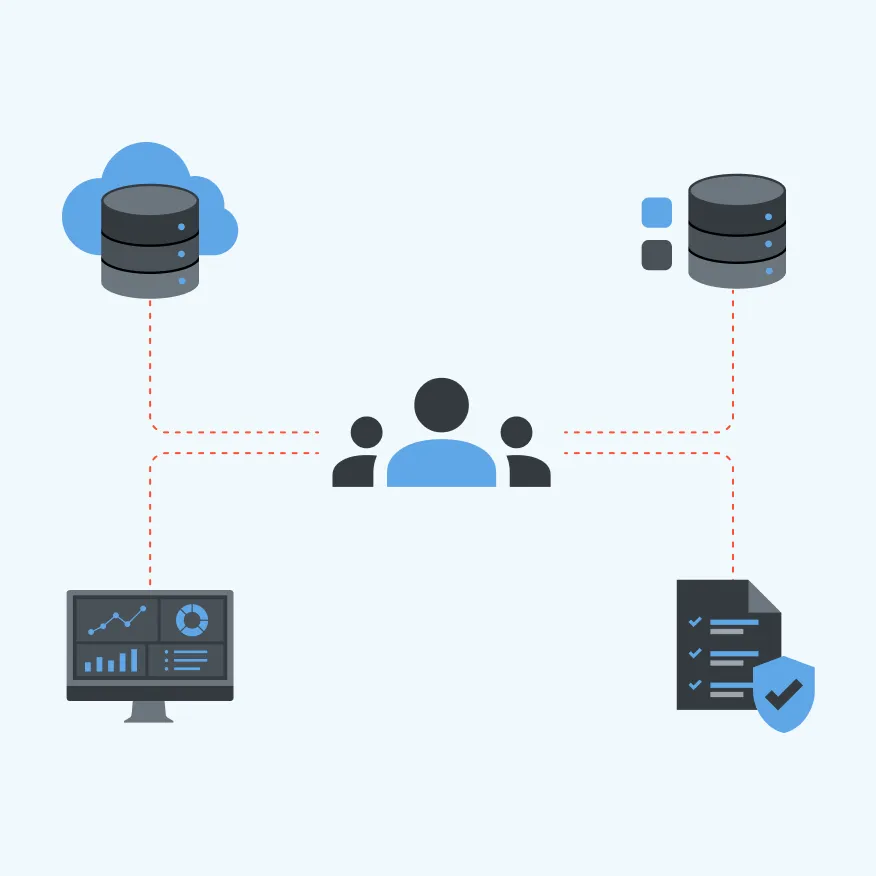
Keep your data platform running after go-live. We monitor ETL jobs, support analytics users, and administer data applications, so your team can focus on turning information into action through analytics and AI initiatives.
Platform Operations
Monitor ETL jobs, manage warehouse performance, and administer data applications so your team can focus on analytics.
Analytics & Governance Support
Support BI users, governance workflows, and ongoing certification, keeping your data platform healthy after go-live.
Technologies We Support

Snowflake

Databricks

Microsoft Fabric

Microsoft Azure
Microsoft Purview

Power Platform

Power Apps

Power BI

Power Virtual Agents

Power Automate

AWS

Google Cloud
Salesforce

Mulesoft

Tableau

VaultSpeed
Talend

dbt Labs
Informatica

Qlik

Celonis

Collibra

Alation
Snowflake
Databricks
Microsoft Fabric
Microsoft Azure
Microsoft Purview
Power Platform
Power Apps
Power BI
Power Virtual Agents
Power Automate
AWS
Google Cloud
Salesforce
Mulesoft
Tableau
VaultSpeed
Talend
dbt Labs
Informatica
Qlik
Celonis
Collibra
Alation
Powered by ADEPT
Our Data Intelligence Platform
ADEPT harvests metadata across your environment, traces lineage through every connected technology, and shows your team what you have, where it came from, and what depends on it. It deploys inside your firewall, so nothing leaves your network.

Architecture & Code, in One Workbench
Design Data Vault 2.0, Medallion, or Kimball models visually, then generate production-ready dbt or SQL for Snowflake and Databricks from the same canvas.

Deployed Inside Your Perimeter
ADEPT runs as Docker containers inside your network. No data, metadata, or telemetry leaves your environment. Built for regulated and security-conscious teams.

Cross-Technology Lineage in One Graph
HashKey stitching connects Talend, Snowflake, Databricks, dbt, and Tableau into a single lineage graph, so impact analysis takes minutes instead of weeks.

Automated Catalog & Governance
Metadata harvest, stewardship, and certification workflows feed your existing governance program. ADEPT publishes enriched lineage to Collibra and Alation, not against them.
Insights & Resources
View All
FAQs
Do we need to know our target architecture before reaching out?

No, you don’t need to know your target architecture before reaching out. We begin with an assessment, map your current technology stack, and harvest metadata from the systems you have. Then, we use that picture to recommend a target architecture, a phased plan, and the business case to support it.
What makes FormativGroup’s assessment approach different?
FormativGroup’s assessment approach is different because we pair senior consultants with our data intelligence platform, ADEPT. This grounds assessments in your system’s existing information, accelerates delivery, and generates documentation that remains useful after the engagement ends.
Do you replace our existing governance platform?
No, we don’t replace your existing governance platform. ADEPT complements platforms like Collibra, Alation, and Microsoft Purview by enriching the metadata they rely on. If you move from one governance platform to another, we support the migration while preserving assets and lineage.
What happens after the engagement ends?
After the engagement ends, documentation generated by ADEPT stays within your environment. Many clients choose to work with our managed services team for ongoing support, while others manage it internally and engage us as needs evolve.

